Showing posts with label Sandhi sudha. Show all posts

Friday, November 19, 2021

Runner’s Knee: Causes, Diagnosis and Treatment | Sandhi Sudha


The first thing you need to know about ‘runner’s knee’ is that unlike its name, it can happen to anyone, not just runners. Runner’s knee refers to pain in the front, or anterior, part of the knee often due to an abnormality of the patellofemoral joint. The patellofemoral joint is where the patella (kneecap) slides along the femur when you move your knee. It is the most common running-related injury as well as a common problem in many other sports. This condition is medically known as patellofemoral pain syndrome.

While there may be many underlying causes of runner’s knee, the primary symptom is pain at front of the knee, around or behind the kneecap, especially during movements like running or squatting, or with prolonged sitting. It commonly occurs in people who repetitively stress the patellofemoral joint through sports that involve running.

What are the causes of Runner’s knee?

1.     Overuse of the Knee Joint

Bending your knee over and over again or performing high-stress exercises like squats or lunges can put excess stress on the tissues around the kneecap.

2.     Injury

Any direct hit or a fall to the knee can be the cause for Runner's knee.

3.     Nonalignment of Bones

If the bones from your hips to your ankles are aligned incorrectly, it can put too much pressure on the kneecaps. It causes friction in the knee joint which can trigger pain.

4.     Flat feet

If the arches on the foot are fallen or flat it can affect the way one walks which can lead to knee pain.

5.     Weak thigh muscles

If the thigh muscles are weak then it does not provide the proper support to the kneecap. The lack of proper support triggers unnecessary movement of the knee cap which causes knee pain.

6.     Arthritis

Arthritis causes the formation of extra fluids in the knee. This causes inflammation and swelling of the knee.

How is Runner's knee diagnosed?

Runner’s knee can be diagnosed by a certified physician, typically by taking a look at the patient’s x-ray.

How is Runner’s knee treated?

Generally, Runner's Knee tends to treat itself after a certain amount of time and a few treatment methods. To relieve the pain in the knee and to facilitate a quick recovery, the following treatment methods are used:

Rest - It is best to provide rest to the knee joint. Any exercises that affect the knee or put a strain on it should be avoided. Repetitive bending of the knee should be avoided as well.

Applying Ice - Applying ice to the knee joint to reduce pain and swelling can provide relief. This process can be repeated as many times as required until the pain is relieved.

Compressing the knee - Tightly wrapping a bandage or any cloth around the knee to restrict swelling can relieve the pain.

Elevating the knee - The knee should be elevated on a pillow or a plank to prevent further swelling.

The above-mentioned method is called RICE treatment. It can help treat Runner's knee by effectively reducing the swelling and providing relief from pain.

Massage

Generally, as with many sports injuries, a good massage can bring a lot of benefits. Make sure you massage your knees regularly using a good massage oil. A good option is Sandhi Sudha Ayurvedic oil. This oil is packed with pain relieving herbs that can help you get rid of the pain in your knees as well as bring down the inflammation in the area. Sandhi Sudha is the perfect massage oil, not just for arthritis sufferers but for sports related muscle and joint pains as well. So, don’t forget to massage your knees with SandhiSudha Oil.

For more information, please visit https://www.sandhisudha.com/

Monday, October 25, 2021

5 Effective Ways To Treat Ankle Pain


Ankle pain is quite common. Many people suffer from it at some point in their lives. Keeping the ankle strong can help in alleviating this soreness and improving overall health and flexibility.

Regular exercise and stretching the ankles can ensure that the muscles get the best support. These exercises can also increase the feet’s range of motion, helping to keep you active for as long as possible.

Most foot exercises are simple and do not need any complicated equipment. You  can do them by yourself at home or in the gym if you want.

1.     Toe bend

Put your heels on the floor. Keep your toes pointed in the air in front of you. Now, bend your toes downwards and stay in this position for a few seconds, before relaxing. After this, bend your toes upwards and stay like this for a few seconds before relaxing. Repeat 5 times.

2.     Towel pickup

Put a towel on the floor in front of your chair. Keeping your heel stuck to the ground, pick up the towel using your toes. Repeat 10-20 times. If you want to improve this exercise, you can add a small weight to the towel.

3.     Toe splay

This exercise improves your control over the toe muscles. You can either do it on both feet at once or on alternate feet, depending on which is more comfortable for you. First, sit in a straight backed chair, with your feet resting gently on the floor.

Spread your toes apart as far as you can without straining. Stay in this position for 5 seconds. Repeat 10 times. Once you have built up enough strength, you can even try looping a rubber band around your toes to provide resistance and make the exercise more challenging.

4.     Walking on sand

Walking barefoot on sand is a great method of stretching and strengthening your feet and calves. This is a good exercise in general because the soft texture of the sand makes walking more physically demanding. Go to a beach, a volleyball court, or playground or any other place with sand. Walk barefoot for as long as you can. Try to cover more distance over time. Do not overexert the muscles in the feet and calves.

5.     Epsom Salt

For relief from pain, soak your ankle in a warm bath with Epsom salt. Although, for the first few days after the injury stick to cold water. Epsom salt helps in soothing sore muscles and connective tissues. It also treats joint stiffness. Soak your feet in an epsom-salted warm bath 1-2 times per day.

Massage for Ankle Pain

To get relief from ankle pain, it is best to do a regular massage. Sandhi Sudha is an ayurvedic oil for joint pain that can help you get rid of your ankle pain in weeks.

Sandhi sudha joint pain relief oil is unlike any other massage oil in the market. It contains ayurvedic herbal ingredients which have potent analgesic properties. For best results, massage your ankles twice a day with Sandhi Sudha.

For more information, please visit https://www.sandhisudha.com/

Wednesday, August 18, 2021

How Can Massage Help in Reducing Joint Pain | Sandhi Sudha


Chronic pain can take a toll on your life and result in increased stress levels. Being in stress for too long makes your body become stuck in a permanent state of ‘fight or flight’. This means that all the resources of your body are sent to the parts of the body where they are most needed. 

Unfortunately this means that the other areas of your body do not get the resources they need, and your body starts to become overworked. Your muscles tighten up, which can increase your pain and affect your mobility over time.

 Stress also increases fatigue because your body literally gets worn out. It can affect your sleep, exacerbate mental health issues and have a negative effect on your digestive system. And these are only the tip of the iceberg, but needless to say stress makes the symptoms of chronic pain much worse.

Massage Increases the Production of Happy Hormones

It can be tough to break the cycle of stress and pain. However, massages can help. According to a recent study, a massage reduces the levels of cortisol (the stress hormone) by up to 31%. This shows the effectiveness of a massage at reducing stress levels, and in turn chronic pain.

During massage, there is also an increase in the levels of serotonin by 28% and dopamine by 31%. Serotonin is a chemical within our bodies which is responsible for maintaining our mood. It leads to happiness and a general feeling of emotional stability. Dopamine also plays a huge role in the way we feel pleasure and experience joy. It also keeps us motivated and focused on the task at hand.

Massage Relieves Muscle Tension

Many chronic pain patients tend to have tense muscles. Tensed muscles can be very painful and reduce a person’s range of motion, leading to reduced activity levels. Massage can help in releasing the tension in the muscles, which in turn relieves pain and increases relaxation.

Massage increases blood flow which promotes the optimal function of your body and keeps your immune system healthy. Massage can aid lymphatic drainage, which simply means that your body gets rid of any toxins and can fight disease and ill health more effectively. Toxin removal can also help your body fight the feeling of tiredness often associated with the pain. Better blood flow and lymphatic drainage can also help in reducing inflammation.

Massage Promotes Better Sleep

Osteoarthritis patients who had a regular massage can sleep far more deeply and for longer. Chronic pain is often associated with insomnia. It can be hard to sleep while you’re in pain and cannot get comfortable. Lack of sleep can lead to many negative side effects such as reduced energy, cognitive ability and immune response and unstable mood. Basically a lack of sleep can increase chronic pain. So improving sleep means that both the body and mind can get the rest it needs to function properly throughout the day.

Massage Gives Long-lasting relief

 Massages are just as effective as other treatments, and even have longer lasting results when it comes to reducing chronic pain symptoms compared to some other treatments. Massage therapy has brought the most effective, long-lasting results for chronic pain sufferers. 

For a good massage, you need to choose the right massage oil. Sandhi Sudha ayurvedic joint pain relief oil contains potent herbal ingredients with analgesic properties. These ingredients penetrate deep into the muscles to increase blood flow in the area and loosen the muscle tension. Sandhi Sudha treats the inflammation in the joints and prevents bone friction. For best results, make sure that you use it twice a day. 

For more information, please visit https://www.sandhisudha.com/

Monday, August 16, 2021

Foods To Avoid If You Have Joint Pain | Sandhi Sudha


We lead very stressful lives. The kind of physical stress and pressure we put on our body often leads to many health problems. One of these health problems is joint pain which can cause both short and long-term difficulties. It is one of the most prevalent medical conditions you can experience as a result of consistent weakness of bone structure and wear and tear of the knee joint. Some other common causes include fractures, ligament sprains, meniscus injuries, dislocation of the knee joint and joint stiffness due to arthritis, lupus and other chronic illnesses. People of all ages are vulnerable to joint pain.

According to experts, consuming inflammatory food items can add to your ongoing joint pain and even trigger it if you are vulnerable to experiencing it.

1.     Refined carbohydrates

Products with white flour such as white bread, white pasta, and crackers, are known as refined carbohydrates. Refined carbohydrates, also known as refined grains, lead to a spike in blood glucose, which can increase inflammation in the body. Another important factor about grains is that people who are sensitive to gluten can experience joint pain and inflammation when they consume wheat products.

Grains such as wheat, barley, and rye contain a protein called gluten which provides the structure and texture of the grain products. According to a recent research, a gluten-free diet is associated with some improvements for symptoms of rheumatoid arthritis and reduced inflammation. Studies have also found a connection between celiac disease and rheumatoid arthritis.

2.     Cheese and high-fat dairy

Cheese, butter, and mayonnaise all have high content of both saturated fats and advanced glycation end products. They both trigger inflammation and should be consumed sparingly. However, according to a recent study, some dairy products, particularly fermented dairy products such as dahi, are anti-inflammatory in nature and may be a good food choice for people who suffer from joint pain.

3.     Alcohol

According to experts, drinking too much alcohol will increase both inflammation and health risks. However, moderate alcohol consumption may not cause too much trouble. If you are trying to reduce your joint inflammation, stop drinking alcohol entirely for 4 to 6 weeks and see the results. There may be a decrease in inflammatory joint pain. You may find yourself sleeping better—which itself can help in decreasing chronic pain symptoms.

4.     Salt

Salt is an important mineral in your diet. When you eat too much, it can be dangerous to multiple areas of health. A high salt intake can increase your inflammatory response and cause an increased risk for developing rheumatoid arthritis. Choose foods that are low in sodium and have no added salt. Add flavor to your food by using other spices such as ground pepper, chilli powder, cumin, minced garlic or powder, turmeric.

5.     Sugar

Sugar does not have any nutritional value and are often referred to as empty calories. It can increase your inflammation. It’s best to limit your sugar intake to no more than 9 teaspoons per day. Some food sources of added sugar that you should avoid are candy, baked goods, ice cream, desserts, processed snacks, and condiments such as ketchup.

Treatment for Joint Pain

The best treatment for joint pain is a gentle massage on the affected joint with Sandhi Sudha Oil. Sandhi Sudha joint pain relief oil penetrates deep into the muscles and not only relieves joint pain but also reduces any inflammation. It increases blood flow in the area and provides gentle warmth when applied. For best results, use twice a day.

For more information, please visit https://www.sandhisudha.com/

Monday, June 21, 2021

Why are Massages Important for Muscle Pain Treatment? | Sandhi Sudha


The first and foremost advice given to anyone suffering from any sort of muscle or joint pain is often just a good old massage. The reason massages are recommended so often is because of its effectiveness. A massage is basically the medicine that works for everyone. It causes an immediate reaction in the brain. As soon as the nerve cells of the skin feel pressure, they send a signal to the brain to release feel-good chemicals known as endorphins, which boosts your mood and gives you a natural high. This results in the decrease of stress hormones cortisol and adrenaline and the overall effect of euphoria and happiness.

If you are suffering from muscle or joint pains, the morphine-like effect from the endorphins decreases the pain significantly because the pain signals from the brain get blocked as a result of the massage. And if you have sore muscles after a workout, a good massage will actually help your muscles heal faster. According to researchers, a massage decreases the inflammation after an exercise session and increases cell repair. Massage has two major physical effects - 1) Increase in blood and lymph circulation, 2) Relaxation and normalization of the soft tissue which releases nerves and deeper connective tissues.

It is proven that a massage improves blood and lymph circulation. This might be because of the physical manipulation of soft tissue as well as due to the chemicals released as your body starts to relax.

Improved circulation enhances oxygen delivery and the delivery of nutrients to muscle cells. With the improvement in cellular health, tissues function more efficiently. This efficient functioning results in the removal of waste products and can lead to an increase in the absorption of excess fluids and reduce swelling in the soft tissues.

Massages relax the muscle tissue reducing painful contractions and spasms. It can also reduce nerve compression. Contracted muscles sometimes compress the nerves around them. Relaxed muscles, on the other hand, do not compress the nerves, and they can also get proper nutrients and operate more efficiently. The nerves can take over their normal duties of transmitting messages to and from the brain, improving the functioning of the muscles and organs.

Applying pressure to your body relaxes muscles, tendons, and ligaments. In addition, while some of the deeper tissues of the body, such as deep spinal musculature, are hard to access through a massage, the release of more superficial layers of muscles can also have an effect on the deeper layers. This can result in both superficial and deep tissues finding an improved alignment and balance.

To have a good massage session, it is important to use the right oil as well. A good massage oil provides lubrication that makes the process of massage easier. It is even better to use an ayurvedic massage oil filled with herbs that naturally combat the pain responses in the body. Sandhi Sudha is an effective natural oil that provides quick relief from muscle and joint pains, swelling and stiffness. It works by providing lubrication between the joints by increasing the amount of synovial fluid to enhance joint flexibility. Sandhi Sudha is an all-in-one solution for joint and muscle pains such as knee pain, back pain, wrist pain, elbow pain and shoulder pain. It works quickly and has no side effects at all. It helps you feel more calm and relaxed. For best results, massage twice a day - once in the morning and once in the evening.

For further information, visit https://www.sandhisudha.com/

Friday, June 18, 2021

Everything You Should Know About Tennis Elbow | Sandhi Sudha


In medical terms tennis elbow is known as lateral epicondylitis. The reason it happens is when the tendons responsible for attaching the muscle to the bone on the outside part of the elbow starts to swell or tear. This makes the joint at the elbow weak and puts great stress on the area.

It is a surprisingly common injury. It can also affect the outer part of our elbow. The reason it is called tennis elbow is because it mostly affects tennis players and other athletes like golfers, other sports participants and manual laborers. But still, tennis elbow is not limited to just these people.

It can happen to anybody. Its symptoms can be easily detected through pain in the arms and elbows. If you experience pain in the upper part of the elbow, or when you try to flex your fingers, handle even some light objects such as a door knob, or while lifting a cup of coffee, then you may be suffering from tennis elbow. Chronic tennis elbow can be a bit difficult to treat, but you must still not ignore any elbow pain.

The most common cause of tennis elbow is overuse. It can occur anytime one engages in repetitive motions for a long period of time. Professions like plumbing, carpenting, may also lead to overuse. There may be pain in the tendons of your forearm because of the development of tiny tears. You may feel your hand shaking and getting weaker while you are doing simple tasks like holding a cup, opening a door, or shaking hands. Rest is usually the most necessary thing to do.

Symptoms of Tennis Elbow

1. Gradual increase of pain around the elbow, where it may suddenly develop into more;

2. The pain gets worse while shaking hands and squeezing objects;

3. Moving the wrist with force such as lifting, opening jars, or even handling of simple utensils worsens the pain.

This condition is undiagnosable from blood tests and, even by X-rays. Usually, it is diagnosed through its symptoms and from a physical exam. Specifically speaking, the pain occurs about 1 to 2 centimeters down from the bony area at the outer part of the elbow.

It hinders you from living a normal and busy life. The objectives pursued are to promote healing, to lower down the stress and abuse on the injured elbow and to reduce pain or inflammation. Another treatment method to relieve elbow pain is to apply ice or "cold therapy" to the elbow for about 15 minutes. This must be done for up to six times a day. This helps in reducing pain and/or inflammation. You can also wear a support or brace to protect the tendon while healing.

The elbow braces and supports can protect the injured elbow and also heal it. Elbow braces and supports are used not to mask the pain but to aid in its healing. Doing proper exercises and stretching assures proper blood circulation. Most importantly, rest should be seen as an absolutely vital component in the healing of tennis elbow. Rest is an absolute must.

You should also massage your elbow regularly using a good pain relieving massage oil. This will give you relief from the pain in the joint. A good oil for this purpose is Sandhi Sudha. Sandhi Sudha is an Ayurvedic joint pain relieving oil that penetrates deep into the muscles and joints and treats the root of the pain from the inside. Often pain is caused due to the friction of the joints. Sandhisudha lubricates the joints so that this friction goes away and as a result the pain and stiffness goes away as well. The oil is the perfect consistency for a massage. For best results, use twice a day.

For more information, please visit https://www.sandhisudha.com/

Tuesday, June 15, 2021

What Should You Eat to Avoid Arthritis Pain


Arthritis is a disease associated with different kinds of joint pain. There are more than 100 forms of Arthritis. Commonly associated with old age, there is no known cure for this disease. Early diagnosis and appropriate management of treatment can make a big difference in relieving the effects of joint pain caused by Arthritis.

Diet affects almost every aspect of our body. A healthy diet can minimize the effects of most illnesses. Arthritis is no different. The following foods contain properties that fight inflammation, make the bones stronger and boost the immune system.

1.     Fish

It is well known that fish is a great source of omega-3 fatty acids. These fatty acids help in fighting inflammation caused by arthritis. It slows down the production of enzymes that cause the erosion of cartilage surrounding the joints. Adding about 100 grams of omega-3 rich fish in the diet can help reduce joint pain. Fish that are rich in omega-3 are salmon, tuna and herring.

2.     Olive Oil

Olive oil provides multiple benefits to the body. It is one of the healthiest oils in the market. Research has shown that olive oil is loaded with healthy fats that are very good for the heart. It helps in fighting inflammation of the joint and provides relief from pain caused by Arthritis. Walnut oil is also a nice substitute for walnut oil.

3.     Green Tea

Green tea is one of the healthiest drinks in the world. More and more people are switching to green tea from traditional hot beverages like chai and coffee. Green tea contains antioxidants which are incredibly helpful in reducing pain and minimizing other symptoms of Arthritis. It makes the bones stronger and helps prevent the chemical chain which causes damage to the joint.

4.     Dairy 

India has always had a love affair with dairy. Ancient Indian texts extol the benefits of dairy products. Dairy is the staple of an Indian diet. And for good reason. Dairy products are rich in Calcium and Vitamin-D, both of which increase bone strength and boosts the immune system. If you’re lactose-intolerant then its best to try other alternatives of Vitamin-D and Calcium rich products.

5.     Turmeric

Turmeric is the main ingredient of most Indian dishes. This yellow spice offers many benefits for sufferers of Arthritis. It contains the compound Curcumin which has shown anti-inflammatory properties. It eases the swelling in the joints and reduces pain. For quick relief, it can be applied externally in the area of pain as well.

6.     Citrus

It is well known that Citrus is a great source for Vitamin-C. Oranges, limes and lemons can be a great addition to the diet. It boosts the immune system and fights inflammation of the joints.

7.     Garlic

Garlic contains many beneficial properties for the body. It contains a compound called Diallyl Disulphide which limits the enzymes that could be damaging to the joints. It can be consumed as it is or applied externally on the joints in the form of oil.

8.     Carrots

Carrots are rich in beneficial antioxidants. It contains a compound called Beta-Cryptoxanthin, which is responsible for its orange colour. According to research, this compound has shown great promise in fighting the symptoms of Arthritis.

Arthritis treatment can be different for different people depending on the body and the type of Arthritis. The above-mentioned are some foods that have shown great promise in mitigating the effects of the most common symptoms of Arthritis.

Other than these foods, the best way to combat joint pain is a good ayurvedic massage. Sandhi Sudha is an effective natural oil that provides quick relief from joint pains, swelling and stiffness. It works by providing lubrication between the joints by increasing the amount of synovial fluid to enhance joint flexibility. Sandhi Sudha is an all-in-one solution for joint pains such as knee pain, back pain, wrist pain, elbow pain and shoulder pain. It works quickly and has no side effects at all. It helps you feel more calm and relaxed. For best results, apply twice a day - once in the morning and once in the evening.

For further information, visit https://www.sandhisudha.com/

Monday, May 10, 2021

4 Exercises for Relief From Hip Pain | Sandhi Sudha


The two most important things that can help you get relief from joint pain are flexibility and strength training. These two things are very useful in treating hip pain. When we do stretches it helps to reduce stiffness in the muscles and improves joint mobility while doing strength training exercises toughens the hip joints and provides relief from the pain.

You may suffer from hip pain due to several reasons such as inflammation, muscle strain or arthritis. No matter what the reason may be, it is still both painful and frustrating. The following are some stretching and strength training exercises that can be added to your daily routine for those who suffer from hip pain.

1.     Knee lift


●      Lie down on the ground comfortably and extend both legs.

●      Keep your right leg straight and pull your left leg up towards your chest.

●      Now put both your hands on the left knee leg and pull as much as possible.

●      Stay in this position for 10 seconds before lowering your leg back to the floor.

●      Repeat the same using the other leg.


2.     Butterfly stretch


●      Sit down on the ground comfortably and keep your spine straight and your knees bent.

●      Move both your knees to the outer side, letting the soles of your legs meet at the center.

●      Hold the ankles of both the feet using your hands.

●      Engage your abs and bend your body forward slowly  towards your feet.

●      Stay like this for around 30 seconds to 1 minute before coming back to the normal position.


3.     Squat


●      Stand straight on the ground keeping your feet shoulder-width apart.

●      Bend your knees and drop your butt and do a squatting pose. Keep your knees in line with your toes and do not bend your hips below your knees.

●      Stay like this for 5-10 seconds before coming back to the starting position. Repeat for 10-20 reps.

4.     Pigeon pose


●      Go down to a push-up position, keeping your wrists under your shoulders, legs extended and toes tucked inside.

●      Folding your left knee, bring it in forward and place it behind your left wrist and your ankle near your right hip.

●      Keep your right leg straight behind you and lower your upper body so that you can bring it close to the left leg. Keep your spine neutral and look straight.

●      Stay like this for 10 seconds before repeating the same with the other leg.

After you’re done with your exercises, don’t forget to massage your hips with an ayurvedic oil. Hip pain occurs as a result of stiffness in the muscles on your hips. A good massage promotes movement in these muscles which reduces the stiffness and in turn the pain. The best ayurvedic massage oil for hip pain is Sandhi Sudha. Make sure you massage your hips with Sandhi Sudha. Just take some Sandhi Sudha oil in your palm and apply it all over your hips and gently massage over the area with little pressure. Use gentle circular motions. Ask someone for help if possible. Sandhi Sudha will penetrate the stiff muscles and relieve the knots from the inside. This will give immediate relief from pain.

For more information, please visit https://www.sandhisudha.com/

Thursday, May 6, 2021

6 Brilliant Life Hacks for Joint Pain | Sandhi Sudha


If you suffer from joint pains regularly then these brilliant life hacks can really change your life. Keep reading!

1.     Drink ginger tea

According to many studies, ginger can mimic NSAIDs which are the front-line medicines used for arthritis pain relief. It works by restricting pain-causing chemicals that are part of the body’s inflammatory response—without causing any side effects of medications. Use powdered, raw, or lightly cooked fresh ginger in your food. You can make your own ginger tea at home by simmering slices of ginger for 15 minutes in a few cups of boiling water, or you can buy ginger tea bags from the shop.

2.     Eat inflammation-fighting foods

Throw away the fast food, junk food, fried food, and processed food if you want to get relief from joint pain. According to a recent study of rheumatoid arthritis (RA) patients who switched to a Mediterranean-style–eating plan (fresh fruits, veggies, whole grains, fish, olive oil, nuts, garlic, onions, and herbs) suffered from less inflammation and also got back some physical abilities as a result.

3.     Breath in fragrant spices

According to studies, good aromas such as lavender can change your perception of pain. A research conducted in Japan found that lavender lowers levels of the stress hormone cortisol, which makes you feel relaxed and less aware of pain. But it’s not just lavender that works as a natural home remedy for arthritis pain relief. Korean researchers concluded that arthritis patients suffered from less pain and were less depressed when they could smell pleasant aromas of a variety of kitchen spices, such as marjoram, rosemary, and peppermint. If you want to sooth your pain with some aromatherapy treatment, add a teaspoon of one of these dried herbs to ¼ cup of olive, coconut, or vegetable oil. Keep this near you. You can also buy pleasant smelling oils or incense from the store.

4.     Wash dishes by hand

It sounds odd, but doing this simple kitchen task can soothe hands suffering from arthritis pain. When you dip your hands in hot water, it can help in relaxing the muscles and joints and relieving stiffness. Then, the exercise of gripping and spongeing keeps your hands and fingers moving, which is also very important for joint pain relief.

5.     Sip 4 cups of green tea a day

Green tea is very beneficial for people suffering from arthritis. Green tea’s polyphenol antioxidants are anti-inflammatory, which improves arthritis-related immune responses, and significantly reduces cartilage damage.

6.     Massage

The best life hack for joint pain is a daily massage with an ayurvedic oil. Sandhi Sudha is an amazing joint pain relief oil that brings relief from all kinds of joint and muscle pain. Sandhi Sudha oil penetrates deep into the muscles and joints and boosts up the blood circulation in the area. It then increases the synovial fluid and thus promotes lubrication and enhances joint flexibility. With regular application it treats the pain completely. You can also get Sandhi Sudha Capsules if you want to avoid the regular massage.

For more information, please visit https://www.sandhisudha.com/
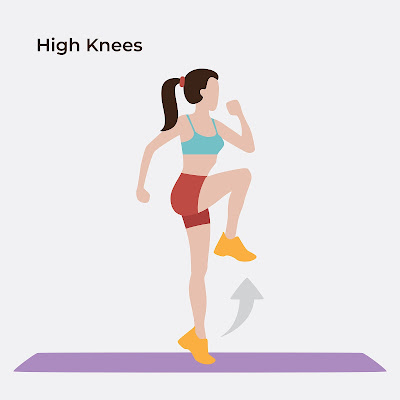
Runner’s Knee: Causes, Diagnosis and Treatment | Sandhi Sudha

  The first thing you need to know about ‘runner’s knee’ is that unlike its name, it can happen to anyone, not just runners. Runner’s knee r...